

Massage therapy is popular throughout the UK with people looking to relax, ease everyday muscular tension, recover after exercise or simply take some time away from a busy routine.
However, not every massage is the same. Some treatments use light, flowing movements designed primarily for relaxation, while others involve firmer pressure, assisted stretching or techniques aimed at particular muscles.
Understanding the different types of massage can help you choose a treatment that suits your preferences, comfort level and reasons for booking.
Massage therapy involves manipulating the muscles and other soft tissues of the body using techniques such as stroking, kneading, pressing and stretching.
People commonly book a massage to:
Relax and reduce feelings of everyday stress
Ease temporary muscle tightness
Support recovery following physical activity
Improve their general sense of wellbeing
Take time for rest and self-care
Research suggests massage may provide short-term relief for certain types of neck, shoulder, back or knee pain, although results vary and the evidence is stronger for some conditions than others. Massage should not be used to delay medical advice or replace treatment recommended by a qualified healthcare professional.
The following are some of the most popular massage treatments available in the UK.
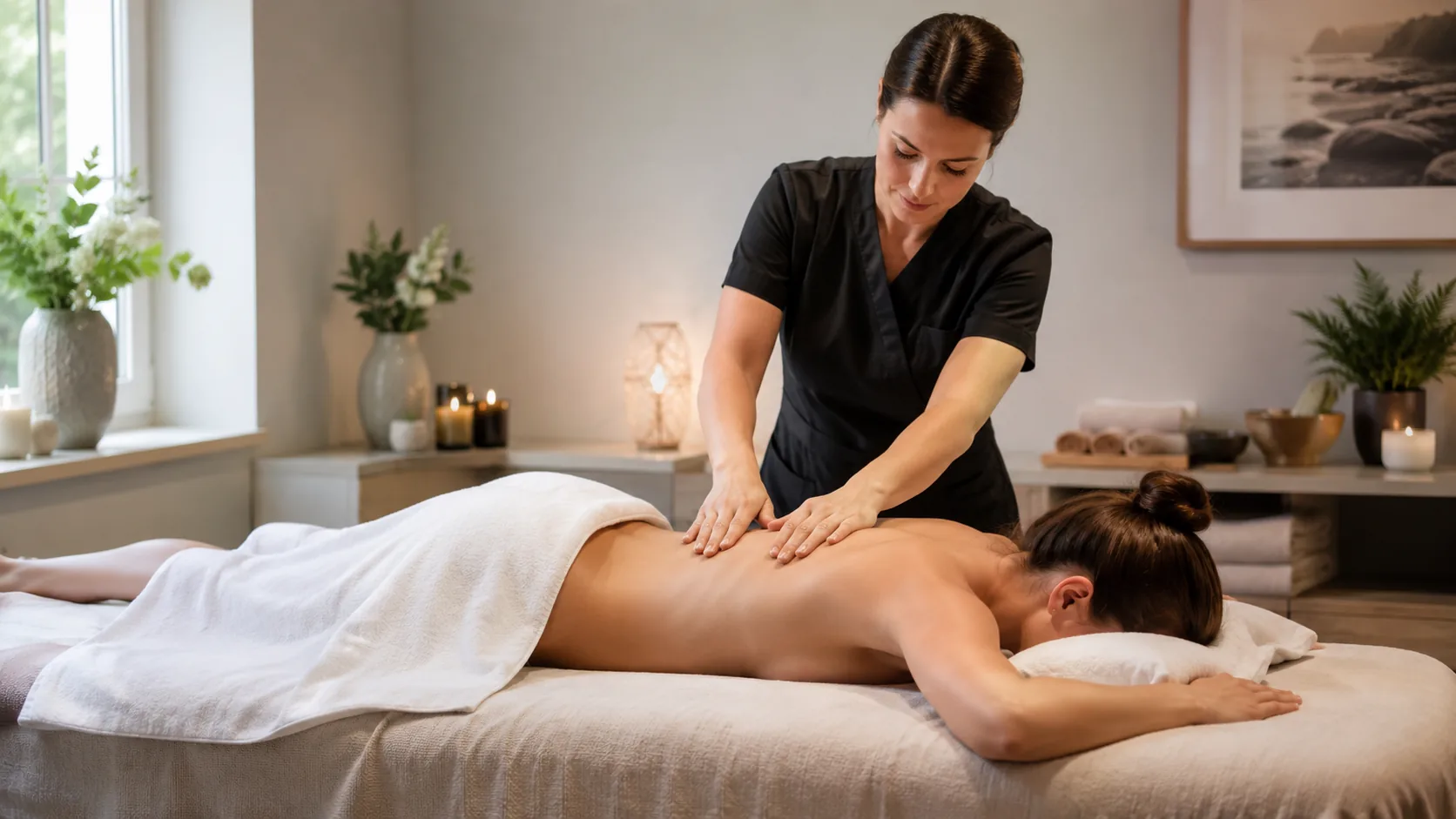
Swedish massage is one of the best-known and most widely offered forms of massage.
It normally uses a combination of:
Long, flowing strokes
Circular movements
Gentle kneading
Rhythmic tapping
Light stretching
Massage oil or lotion is generally applied to help the therapist’s hands move smoothly over the skin.
Pressure can usually be adjusted from light to moderately firm, making Swedish massage a popular choice for first-time clients and people who want a relaxing full-body treatment.
You are new to professional massage
You prefer light or medium pressure
Your main goal is relaxation
You feel generally tense after work or daily activity
Tell the therapist before the treatment begins whether you prefer lighter or firmer pressure.
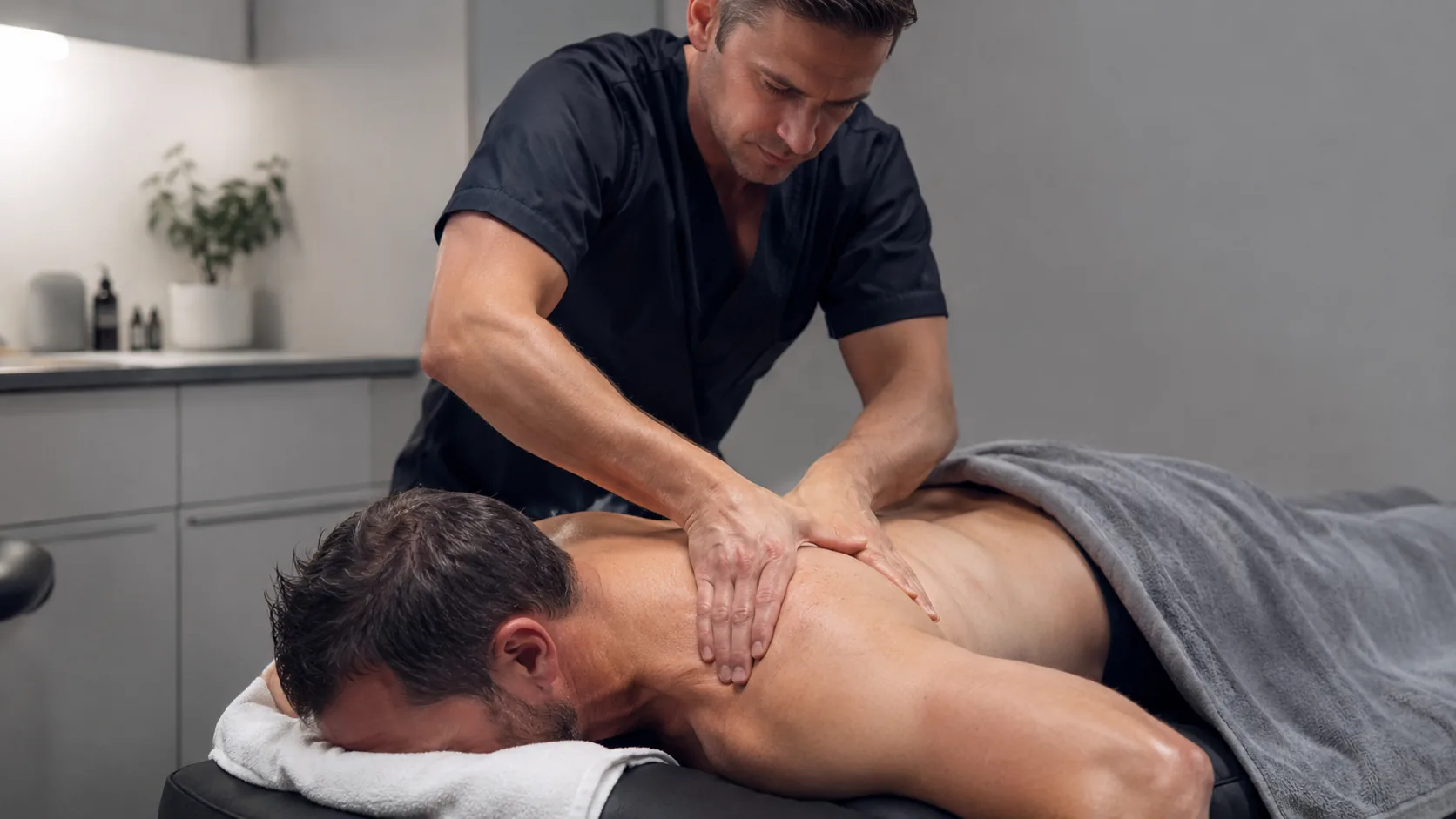
Deep tissue massage uses slower movements and firmer pressure than a typical relaxation massage. The therapist works on deeper muscles and connective tissues, often concentrating on particular areas of tightness.
Despite its name, the treatment should not feel unbearably painful. Firm pressure may create some discomfort, particularly around tight muscles, but you should be able to breathe normally and remain reasonably relaxed.
Communicate with the therapist throughout the appointment and ask them to reduce the pressure if it becomes too intense.
You prefer firm pressure
You experience recurring muscular tightness
You have stiffness caused by repetitive physical activity
You want the therapist to focus on a particular area
You may experience mild tenderness following a firm massage. More vigorous styles also carry a greater risk of bruising or injury, particularly for people who are vulnerable because of age, medication or an existing health condition.
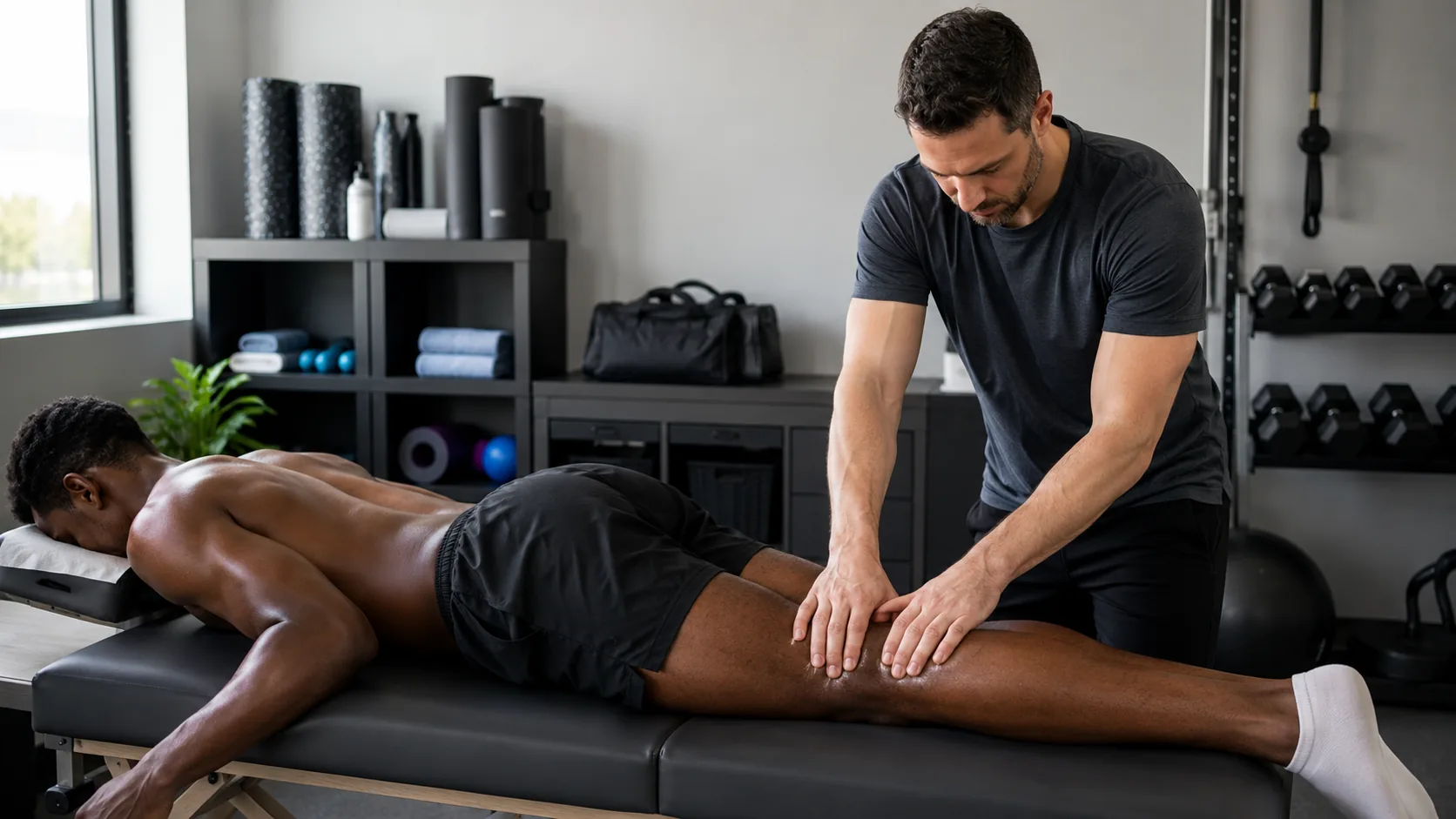
Sports massage is designed for physically active people, but you do not need to be a professional athlete to book one.
A sports massage therapist may use a combination of firm massage, stretching, compression and movement-based techniques. The treatment may focus on the muscles most heavily used during a particular activity.
Someone who runs regularly, for example, may request work around the legs, hips and lower back. A person who lifts weights may want the therapist to concentrate on the shoulders, chest or upper back.
Before an event or demanding activity
After exercise or competition
As part of a regular training routine
To address muscular tightness caused by repetitive movement
Sports massage should not be used to diagnose an injury. Persistent pain, swelling, weakness or reduced movement should be assessed by an appropriate healthcare professional.
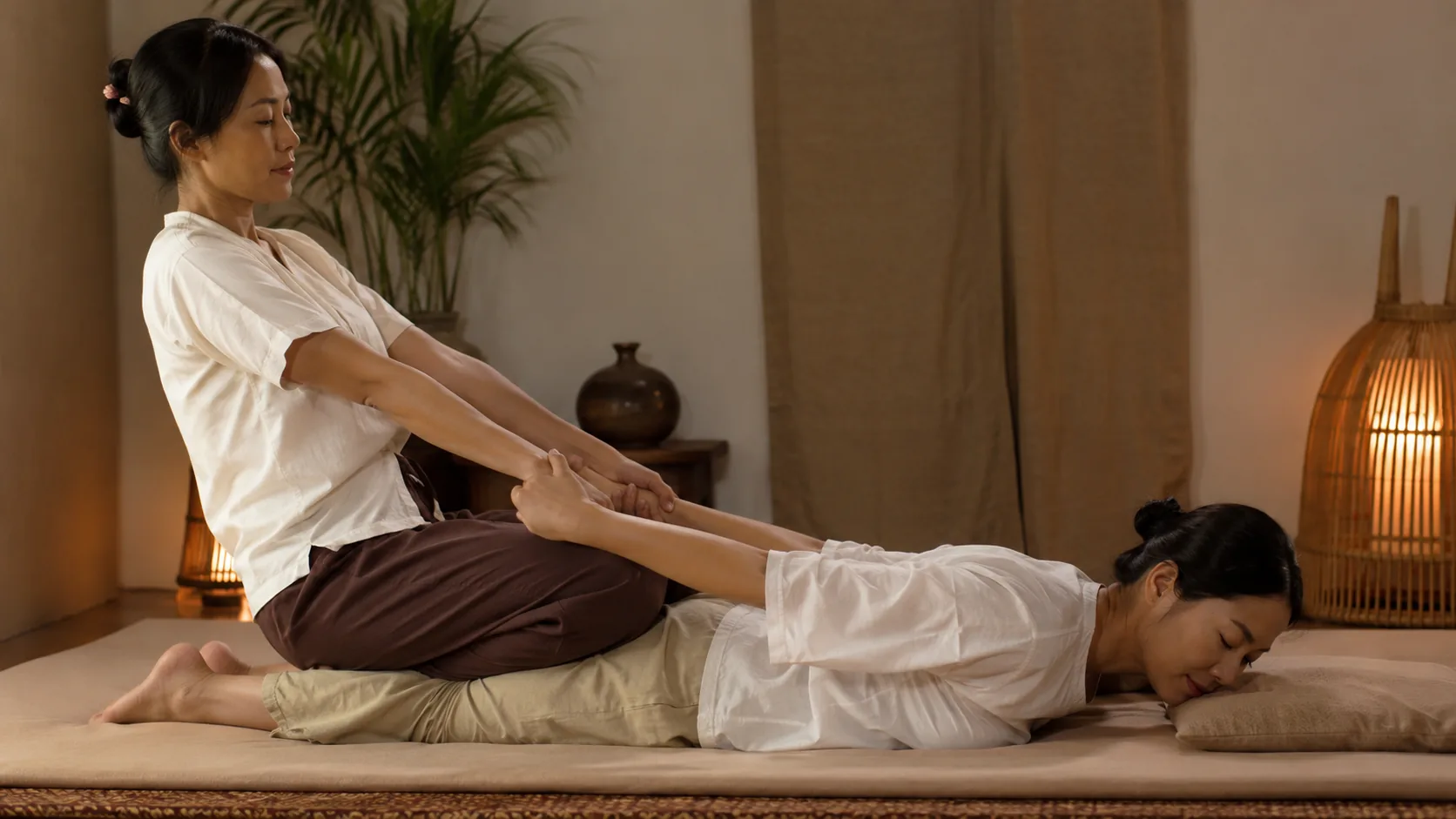
Traditional Thai massage combines pressure, assisted stretching and a sequence of yoga-like positions.
Unlike many oil-based treatments, it is often performed through loose, comfortable clothing on a padded mat. The therapist may use their hands, thumbs, forearms, elbows, knees or feet to apply pressure and guide the client through different stretches.
Thai massage can feel more active than Swedish massage because the client’s body is regularly moved into different positions.
You enjoy assisted stretching
You prefer a massage without oil
You want a more active treatment
You are comfortable moving between different positions
Tell the practitioner about any problems affecting your joints, back or mobility before the treatment begins. Never feel pressured to accept a stretch that feels painful or unsafe.
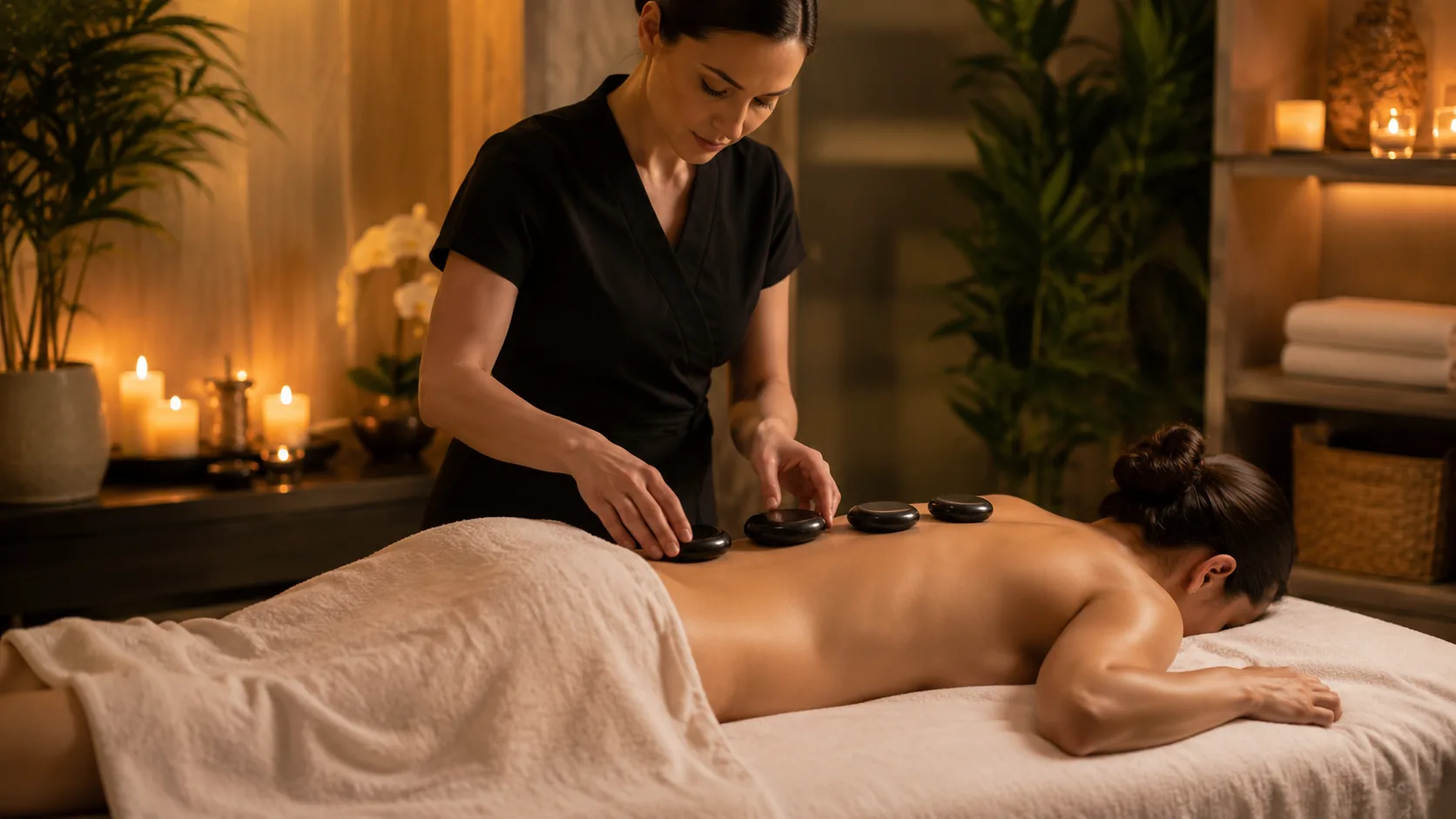
Hot stone massage uses smooth stones that have been warmed to a carefully controlled temperature.
The stones may be placed on selected areas of the body or held by the therapist while performing massage movements. Their warmth can create a deeply relaxing experience and may help tight muscles feel more comfortable during treatment.
You enjoy warmth
You prefer a calming spa-style treatment
You want gentle or moderate pressure
You find traditional massage difficult when your muscles feel very tense
Always tell the therapist immediately if a stone feels too hot.
Hot stone treatments may not be appropriate for everyone, including some people with reduced skin sensation, circulation problems, certain medical conditions or damaged skin. A responsible therapist should complete a consultation before starting.
Aromatherapy massage combines massage techniques with diluted essential oils. The oils are usually blended into a carrier oil before being applied to the skin.
Different scents may be selected to create a calming, uplifting or refreshing atmosphere. Lavender, for example, is commonly associated with relaxing treatments, while citrus scents may be chosen for a fresher experience.
Claims about the medical effects of individual essential oils should be treated cautiously. For many clients, the main benefits of aromatherapy massage are the pleasant scent, relaxing setting and experience of the massage itself.
Mention any allergies or skin sensitivities
Ask which oils will be used
Tell the therapist if you are pregnant
Disclose asthma or fragrance sensitivity
Request an unscented product when necessary
Essential oils should be properly diluted and used by someone with suitable training.
Shiatsu is a Japanese bodywork technique that generally uses sustained finger, thumb or palm pressure on different areas of the body.
A session is often performed through comfortable clothing on a mat or low treatment table. Oil is not normally required.
The pressure may be combined with gentle movement, stretching and joint mobilisation. Experiences vary depending on the practitioner’s approach and the client’s individual needs.
You prefer to remain clothed
You do not want an oil-based massage
You enjoy focused pressure
You want a calm but structured treatment
Shiatsu is considered a complementary therapy and should not be presented as a cure for illness.
Reflexology is a complementary treatment that applies pressure to particular areas of the feet and, in some practices, the hands.
Practitioners work from maps that associate different points with other areas of the body. Although some people find reflexology relaxing, claims that pressing a point on the foot can diagnose or treat a specific disease are not supported by strong medical evidence.
Prefer treatment focused on the feet or hands
Do not want a full-body massage
Enjoy gentle pressure-based treatments
Want a quiet relaxation session
Tell the practitioner about foot injuries, infections, diabetes-related problems or circulation concerns before treatment.
Pregnancy massage is adapted to accommodate the physical changes experienced during pregnancy.
The client may lie on their side or be supported with cushions rather than lying flat. The therapist should adjust positioning, pressure and massage techniques according to the stage of pregnancy and the client’s comfort.
Some pregnant people find gentle massage helpful for relaxation and temporary muscular tension. However, pregnancy massage should be provided by someone with suitable training and experience.
Speak to your midwife, GP or maternity team before booking when you have pregnancy complications, unexplained pain, bleeding or concerns about whether massage is suitable.
The right massage depends on what you want from the appointment.
Choose Swedish massage when relaxation and gentle treatment are your priorities.
Consider deep tissue massage when you prefer firmer pressure and focused muscular work.
Choose sports massage when your needs relate to training, physical activity or recovery.
Consider Thai massage when you enjoy stretching and active movement.
Choose hot stone or aromatherapy massage when you want a calming spa-style experience.
Consider Shiatsu when you prefer pressure-based treatment while remaining clothed.
Choose reflexology when you want a relaxing treatment focused on your feet or hands.
The therapist should discuss your goals before starting and explain what the session will involve.
A professional appointment should begin with a consultation.
The therapist may ask about:
Your reason for booking
Areas you want them to focus on
Areas you do not want touched
Current pain or recent injuries
Medical conditions
Medication
Allergies or skin sensitivities
Pregnancy
Your preferred pressure level
You should be given privacy to undress when required. Only the area being treated should be uncovered, and appropriate towels or draping should be used.
You remain in control throughout the session. You can ask for the pressure, position, temperature or technique to be changed at any time. You can also end the treatment whenever you choose.
Massage is generally considered low risk when performed appropriately, but it may need to be avoided or modified in certain circumstances. Rare serious complications have been reported, particularly following vigorous massage or treatment involving someone at increased risk of injury.
Speak to a healthcare professional or qualified therapist before booking when you have:
A recent operation or serious injury
A suspected fracture
Open wounds, burns or a skin infection
Unexplained swelling
A known or suspected blood clot
A bleeding disorder
Significant osteoporosis
Reduced sensation or nerve damage
Cancer or ongoing cancer treatment
A serious heart or circulation condition
A high-risk pregnancy
Medication that increases bruising or bleeding
Do not stop prescribed medication before a massage unless the healthcare professional responsible for your treatment tells you to do so.
Massage therapists are not regulated by law throughout the UK in the same way as doctors, nurses, physiotherapists, chiropractors or osteopaths. They can, however, voluntarily join an Accredited Register overseen by the Professional Standards Authority.
Before booking, check the therapist’s:
Relevant qualifications
Experience with your chosen massage
Professional insurance
Hygiene and safeguarding procedures
Cancellation policy
Prices and treatment duration
Professional registration or association membership
Customer reviews and recommendations
The Complementary and Natural Healthcare Council maintains a Professional Standards Authority-accredited register covering massage therapy, sports massage, aromatherapy, reflexology and Shiatsu. Its registrants must meet training, insurance and professional conduct requirements.
A reputable therapist should answer reasonable questions clearly and should never promise to cure a medical condition.
After the appointment, take a few moments before standing up, particularly if you feel deeply relaxed.
You may wish to:
Drink water as you normally would
Avoid strenuous activity immediately afterwards
Notice how your body responds
Contact the therapist if you develop unexpected symptoms
Mild temporary tenderness may follow firm pressure. Severe pain, substantial swelling, weakness, numbness or other worrying symptoms should not be dismissed as a normal reaction.
From gentle Swedish massage and aromatherapy to sports massage, Thai massage and reflexology, the UK offers a wide variety of treatments.
The best choice depends on your goals, personal preferences and health circumstances. Take time to understand what each treatment involves, choose a properly trained practitioner and communicate openly throughout your appointment.
Browse massage therapy services on UK Classifieds to find local practitioners, or place a free advert to promote your massage business to customers across the UK.
This article provides general information and is not a substitute for advice, diagnosis or treatment from a qualified healthcare professional.


 Welcome!