
Are you gearing up to sell your home and looking to maximize its value in the competitive UK property market? Investing a bit of time and effort into strategic improvements can significantly boost your property's appeal and potential resale value. Here are 8 proven ways to enhance your home's value before putting it up for sale:
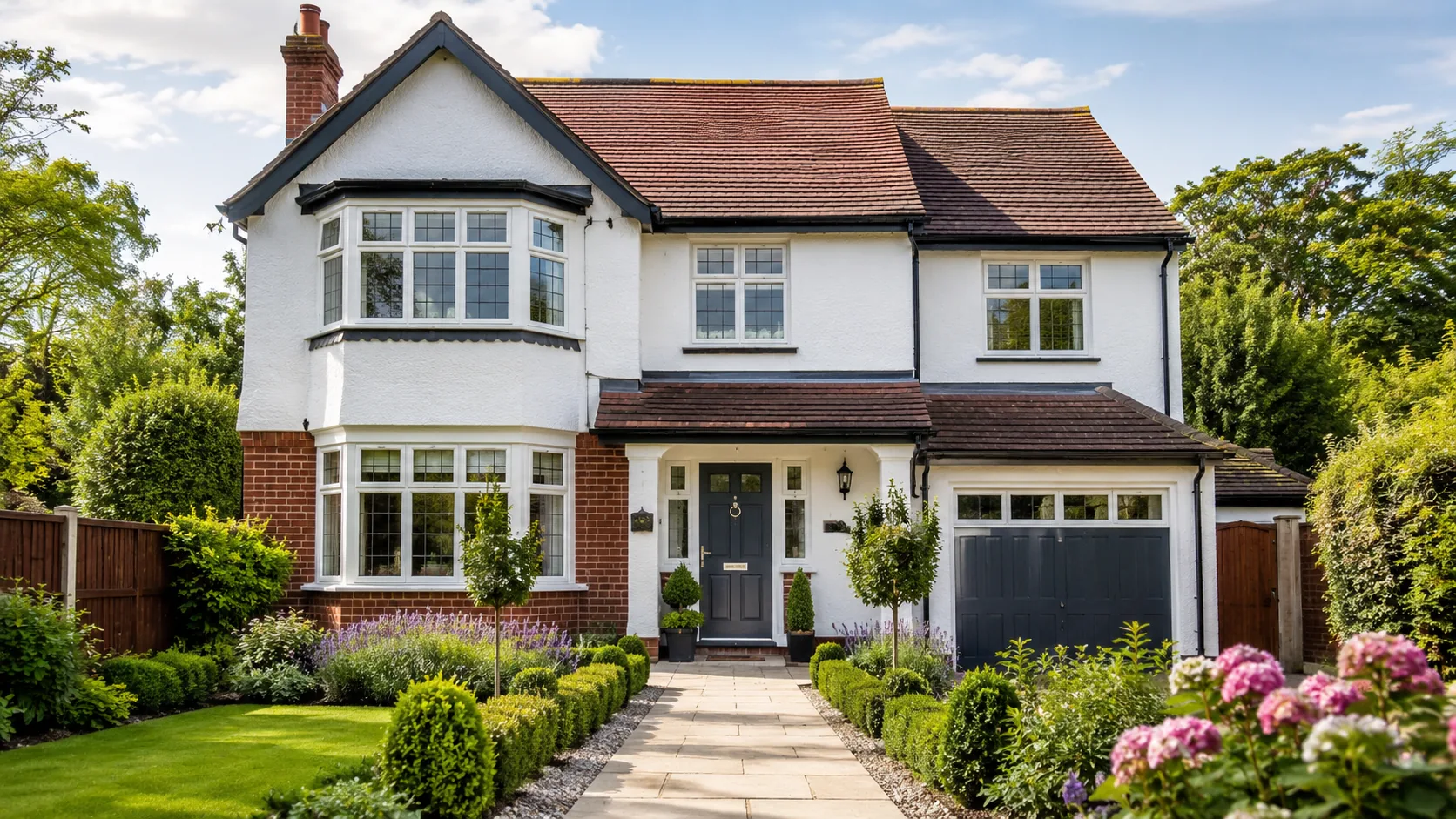
When you are preparing to sell your home, a few carefully chosen improvements can make the property more attractive to buyers and help you achieve the best possible selling price.
You do not necessarily need to undertake an expensive renovation. Cleaning, repairing, decluttering and improving the presentation of your home can often make a noticeable difference. The key is to concentrate on the areas buyers are most likely to notice and avoid spending heavily on changes that may not deliver a worthwhile return.
Here are eight practical ways to increase your home’s value before putting it on the market.
The exterior of your property creates the first impression, often before a potential buyer has arranged a viewing. A neglected garden, damaged fencing or tired-looking entrance could discourage interest, even when the interior is well presented.
Simple ways to improve kerb appeal include:
Cutting the lawn and trimming overgrown plants
Removing weeds and clearing pathways
Cleaning windows, gutters and exterior surfaces
Repairing damaged gates, fences or paving
Painting or cleaning the front door
Adding an attractive house number or outdoor light
Placing a few well-maintained pots near the entrance
The aim is to make the property appear clean, welcoming and properly cared for from the moment a buyer arrives.
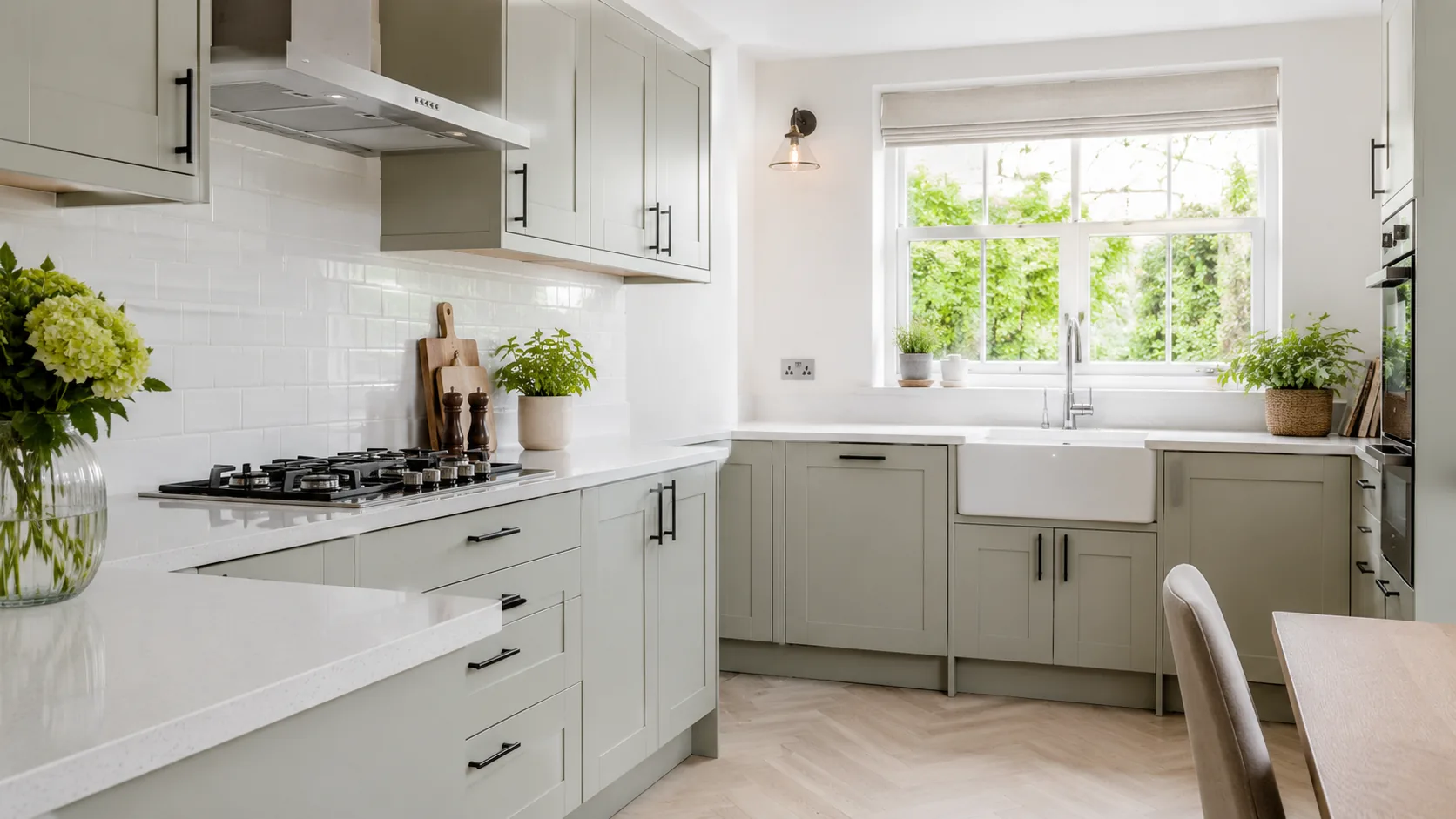
The kitchen is one of the most important rooms in many homes, but improving it does not always require a complete refit.
When the existing units are in reasonable condition, smaller changes may be enough to give the room a fresher and more modern appearance. Consider repainting cabinet doors, replacing handles, updating worktops or installing a new splashback.
Other affordable improvements include replacing worn flooring, improving the lighting and removing unnecessary items from the work surfaces. Repair dripping taps, loose cupboard doors and damaged sealant before photographs or viewings take place.
A clean, bright and organised kitchen can help buyers imagine themselves using the space without being distracted by unfinished maintenance.
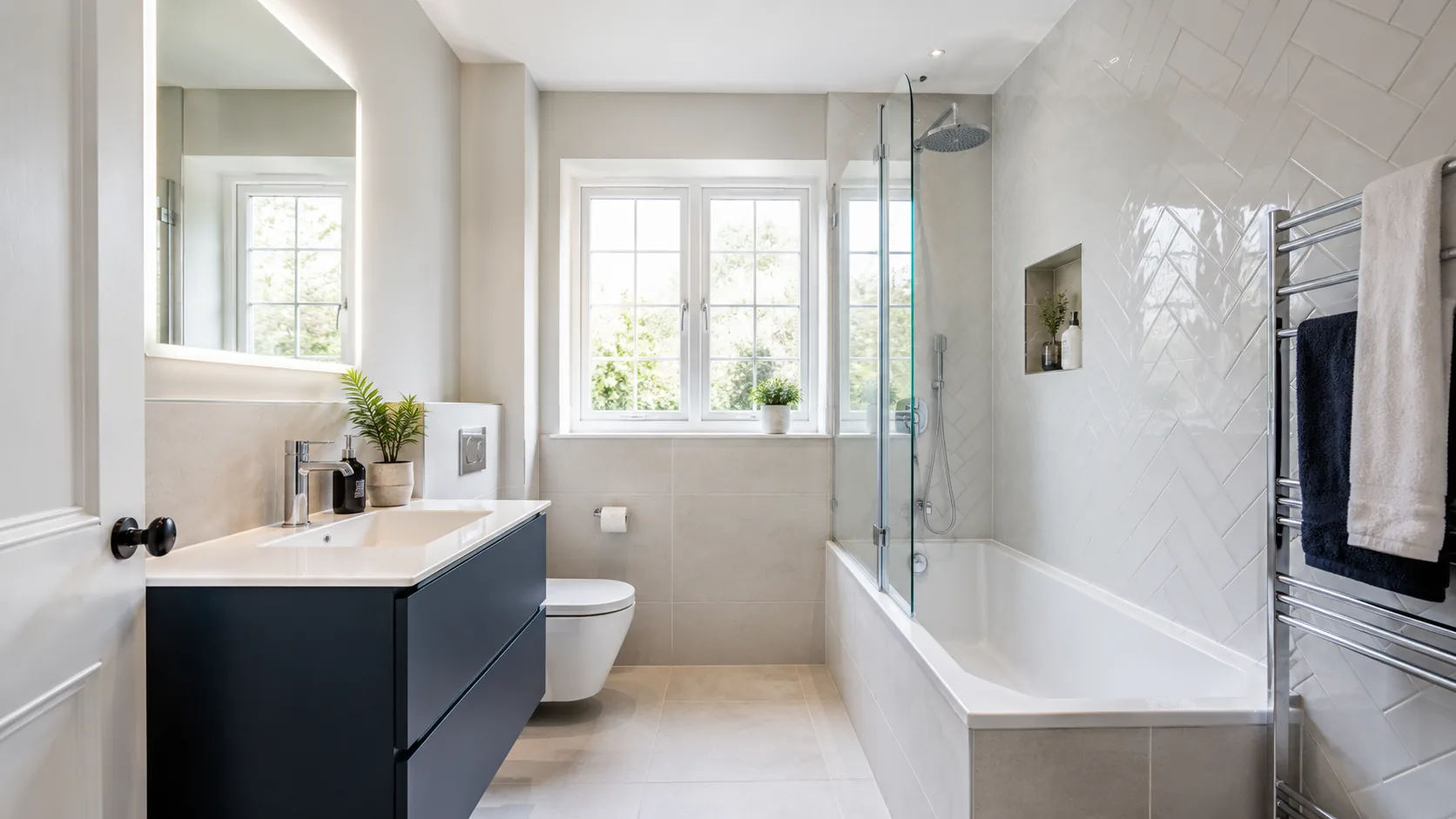
Bathrooms should feel clean, practical and well maintained. Mould, damaged sealant, dripping taps or poor ventilation may create concerns about damp and ongoing maintenance.
Before selling, consider:
Replacing stained or damaged sealant
Cleaning or refreshing tile grout
Repairing leaking taps and toilets
Removing limescale from taps and shower screens
Updating dated handles, mirrors or light fittings
Improving ventilation
Replacing worn flooring or broken tiles
A full bathroom renovation may not be necessary. Thorough cleaning, minor repairs and a few modern accessories can make the room feel considerably more appealing.
Keep surfaces uncluttered during viewings and use clean towels to create a simple, well-presented space.
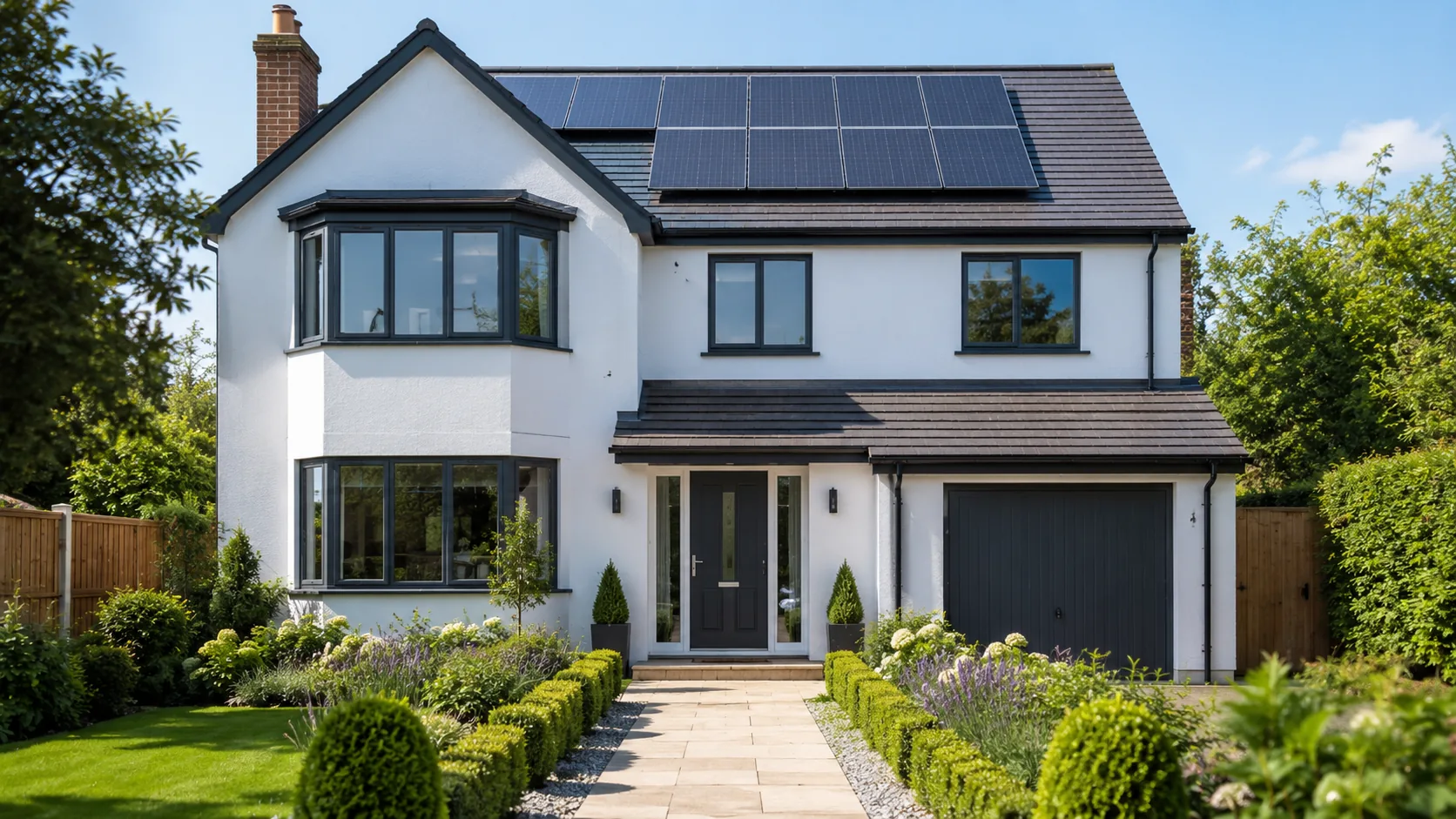
Energy efficiency is becoming increasingly important to homeowners who want to control their household costs and make their properties more comfortable.
Possible improvements include adding loft insulation, sealing draughts around windows and doors, servicing the boiler and replacing inefficient light bulbs with LED alternatives. Depending on the property and your available budget, you could also consider improved glazing, wall insulation or a more efficient heating system.
Begin with affordable improvements and obtain professional advice before committing to major work. Keep receipts, guarantees and installation certificates so they can be shown to potential buyers where appropriate.
It is also sensible to check whether your property requires a valid Energy Performance Certificate before it is advertised for sale.

Buyers are not only interested in the size of a property; they also consider how effectively the available space can be used.
Decluttering can make rooms appear larger and help buyers understand their purpose. Remove bulky furniture where possible and avoid using spare rooms as general storage areas. A small bedroom may be presented as a home office, nursery or guest room rather than being filled with boxes.
Larger projects such as loft conversions, extensions, garage conversions and garden rooms may add useful living space, but they require careful consideration. Before starting major work, investigate planning requirements, building regulations, construction costs and the likely effect on the property’s value.
In some cases, simply improving the layout and presentation of the existing rooms may be the more cost-effective option.
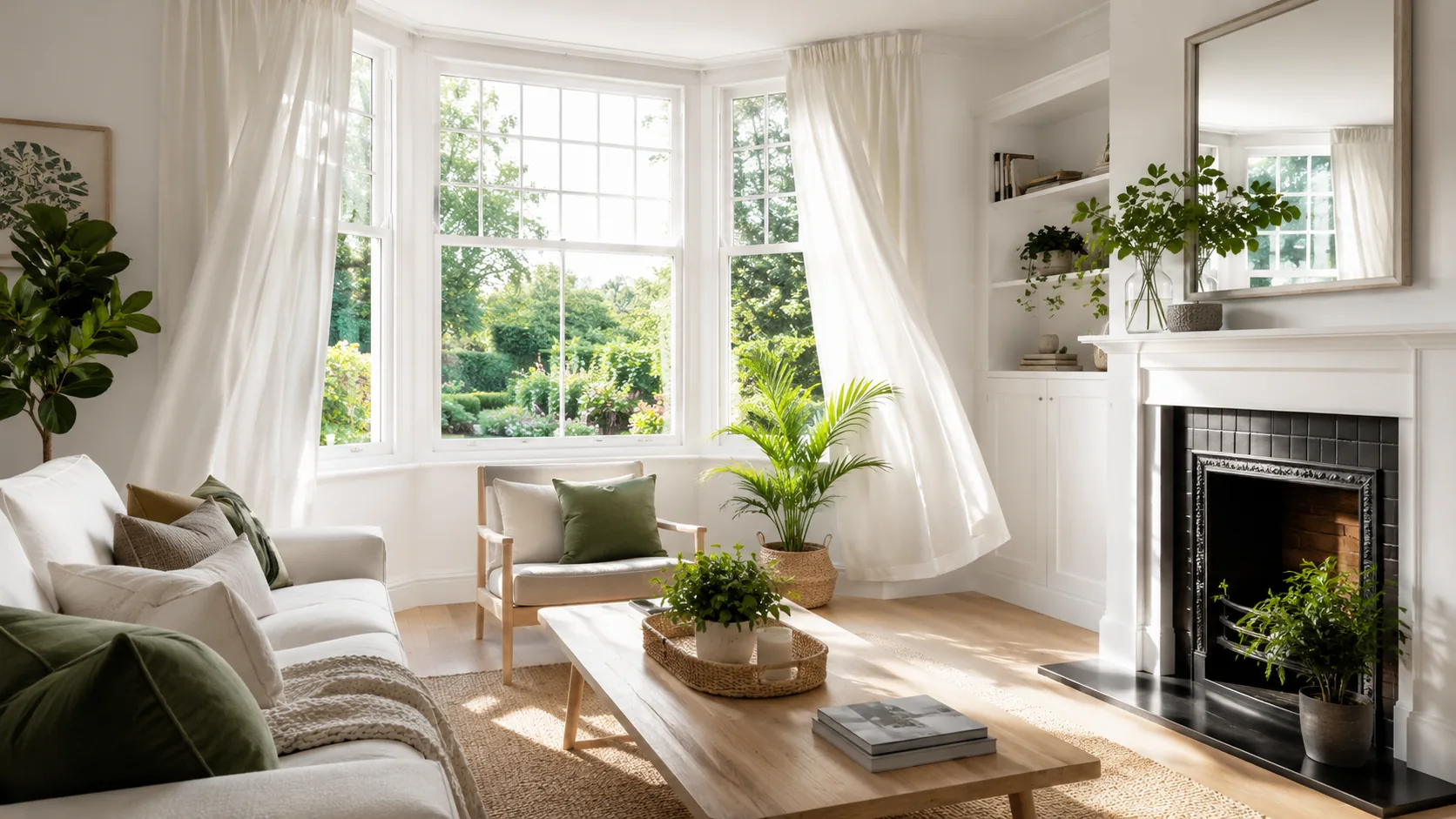
Bright, well-ventilated rooms usually feel more spacious and inviting.
Clean the windows, open curtains fully and remove items that block natural light. Replace dim or damaged light fittings and make sure each room has suitable lighting for its purpose. Mirrors can also help reflect light in smaller or darker spaces.
Ventilate the property regularly and address persistent condensation, damp or unpleasant odours rather than attempting to conceal them. Kitchens and bathrooms should have suitable ventilation, particularly where moisture can accumulate.
Before a viewing, allow fresh air into the property and make sure every room feels comfortable and welcoming.
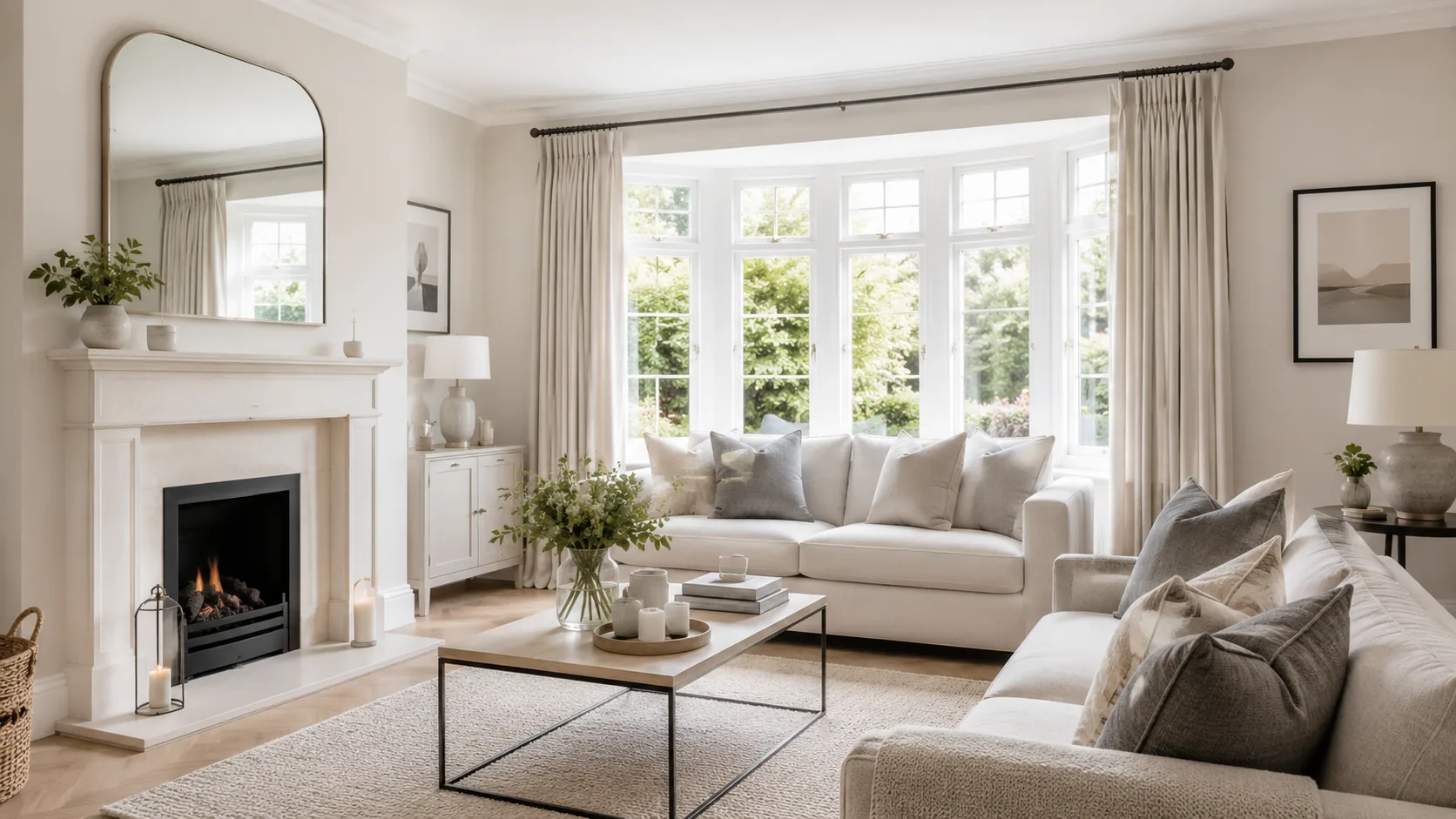
Strong colours and highly personalised interiors may appeal to you but make it more difficult for some buyers to imagine living in the property.
Repainting tired walls in neutral shades can make rooms look cleaner, brighter and easier to furnish. Neutral does not have to mean colourless; soft whites, warm greys and muted natural tones can create an attractive background without overwhelming the space.
You should also remove excessive ornaments, family photographs and highly personal collections before photographs and viewings. The property does not need to look empty, but buyers should be able to focus on the rooms rather than your possessions.
A welcoming yet relatively neutral presentation can help a wider range of people picture the property as their future home.
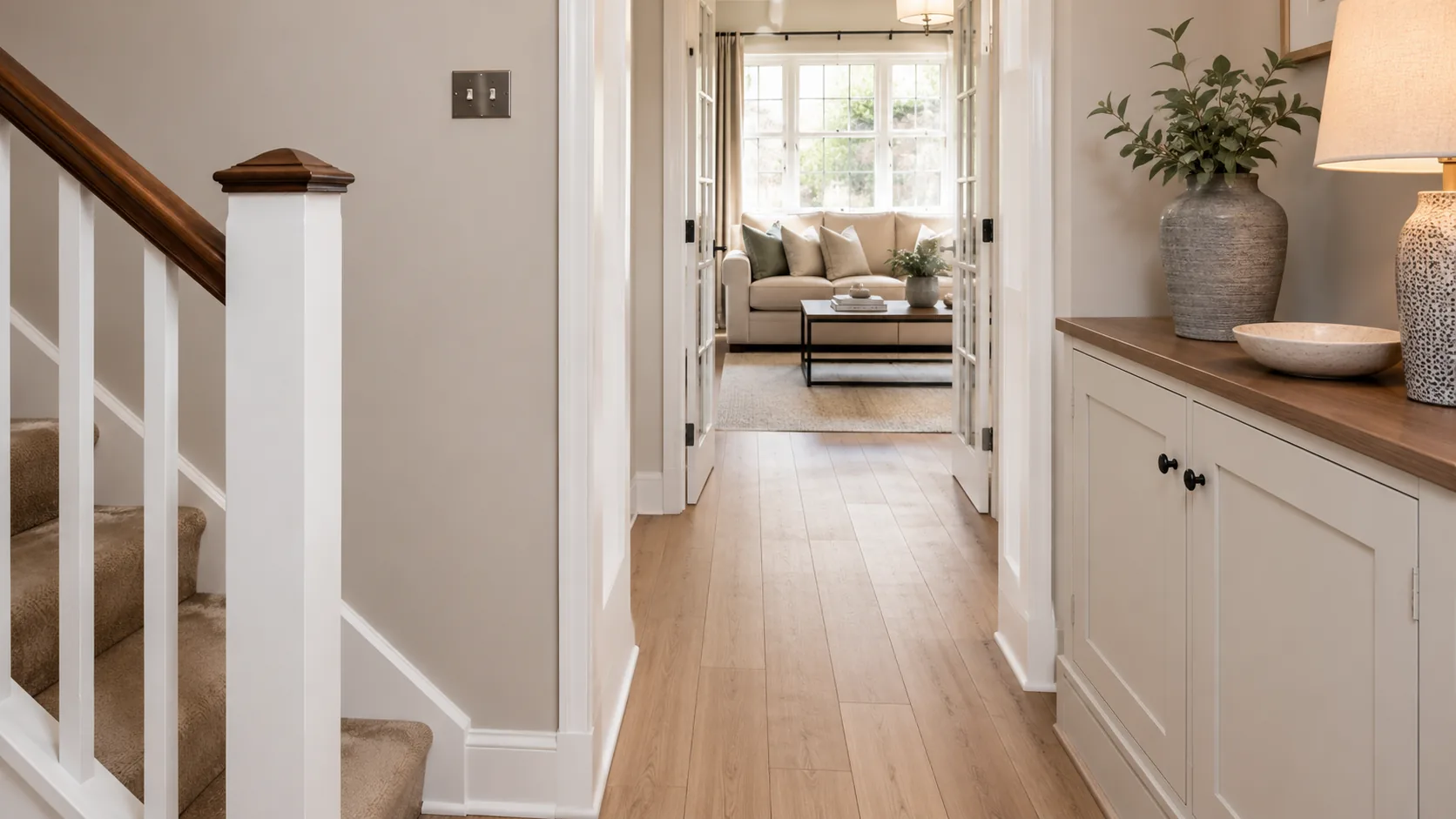
Minor faults may seem insignificant when you have lived with them for years, but buyers often notice them during a viewing.
Walk through the property as though you were seeing it for the first time. Look for:
Dripping taps
Peeling paint or wallpaper
Cracked tiles
Loose handles and hinges
Damaged flooring
Doors or windows that do not close correctly
Faulty switches or light fittings
Blocked gutters
Signs of damp, leaks or water damage
Complete straightforward repairs and use qualified tradespeople for electrical, plumbing, structural or specialist work.
A long list of visible problems may lead buyers to assume that more serious issues are hidden elsewhere. A well-maintained property provides greater reassurance and may also make the sales process smoother.
Not every home improvement will add more value than it costs. Before beginning an expensive project, compare your property with similar homes that have recently been marketed in the surrounding area.
Consider speaking to local estate agents about the features buyers currently expect and the likely price range for your property. This can help you decide whether a major renovation is worthwhile or whether your money would be better spent on repairs, cleaning and presentation.
Improvements should generally suit the style, size and location of the home. An expensive luxury installation may not produce the same return in every property or neighbourhood.
Before arranging photographs or welcoming potential buyers:
Clean every room thoroughly
Remove clutter and unnecessary furniture
Complete visible repairs
Improve the garden and entrance
Clean windows and maximise natural light
Remove unpleasant odours
Organise important certificates and guarantees
Present each room with a clear purpose
Store valuables and personal documents securely
Increasing the value and appeal of your home is often about addressing small details rather than undertaking a complete renovation.
Concentrate on cleanliness, maintenance, presentation and practical improvements that make the property easier to enjoy. By creating a strong first impression and resolving obvious problems, you can present your home confidently and encourage greater interest from prospective buyers.
Ready to explore the market? Browse property for sale on UK Classifieds or place a free property advert to reach people searching for homes throughout the UK.


 Welcome!