

Massage therapy has been practised for thousands of years and remains a popular way to relax, ease muscular tension and support general wellbeing. From gentle Swedish massage to more targeted sports and deep tissue treatments, there are many different techniques available to suit individual preferences and needs.
For many people, booking a massage provides an opportunity to step away from everyday pressures, relax tired muscles and enjoy some valuable time for themselves. Massage may also complement conventional healthcare or rehabilitation, although it should not be regarded as a replacement for professional medical treatment.
Massage therapy involves using the hands, fingers, forearms or specialised tools to apply pressure and movement to the body’s muscles and other soft tissues.
Depending on the type of treatment, a massage therapist may use a combination of:
Treatments can range from gentle relaxation massage to more intensive techniques intended to target particular areas of muscular tightness.
Before the session begins, a responsible therapist should ask about your general health, any injuries or medical conditions, the areas you would like treated and the level of pressure you prefer.
One of the main reasons people book a massage is to relax. A calm treatment environment, combined with slow and controlled massage movements, can help people unwind both physically and mentally.
Massage may help reduce feelings of stress, promote relaxation and relieve some of the muscular tightness that can develop during demanding or busy periods. Research reviewed by established healthcare organisations suggests that massage can help reduce stress and increase relaxation, although the results and duration of the benefits can differ between individuals.
Even a relatively short massage can provide a welcome break from work, family responsibilities and everyday distractions.
Long hours spent sitting at a desk, driving, lifting, exercising or performing repetitive tasks can leave muscles feeling tight and uncomfortable.
Massage therapists can focus on commonly affected areas such as the:
Applying controlled pressure to these areas may help loosen tight muscles and temporarily reduce stiffness. Massage may be particularly appealing to office workers, drivers, manual workers and anyone whose routine places repeated strain on particular muscle groups.
However, persistent pain, unexplained weakness, numbness or a recent injury should be assessed by a qualified healthcare professional rather than treated solely with massage.
Massage is sometimes used as part of a broader approach to managing muscular discomfort, neck pain or back pain. By working on tight soft tissues, massage may provide temporary relief and help some people move more comfortably.
The scientific evidence varies according to the condition and type of massage. Research suggests massage may offer short-term help for some forms of neck or lower-back pain, but it should not be presented as a guaranteed cure or as a replacement for appropriate medical care.
Anyone experiencing severe, worsening or persistent pain should contact a GP, physiotherapist or another suitable healthcare professional.
Tight muscles can make normal movement feel restricted, particularly after physical activity or long periods spent in the same position.
Massage may help reduce muscular tightness and make stretching or everyday movement feel more comfortable. Some therapists combine massage with gentle assisted stretches, especially during sports or remedial-style treatments.
The effects will depend on the individual, the reason for the tightness and the techniques used. Regular exercise, suitable stretching, good posture and adequate recovery may also play an important role in maintaining mobility.
Massage is popular with people who participate in running, cycling, football, weight training and other physical activities.
Sports massage may be used to focus on areas placed under repeated strain during training. Depending on the circumstances, a therapist may work on tight muscles, general mobility or post-exercise discomfort.
Massage cannot prevent every sporting injury, and it should not be used to disguise significant pain or allow someone to continue exercising with a potentially serious injury. Sudden swelling, severe pain, loss of movement or an inability to place weight on a limb should be professionally assessed.
Stress often affects both the mind and body. Some people notice that periods of worry or pressure are accompanied by tight shoulders, headaches, jaw tension or difficulty relaxing.
A professional massage session offers a quiet setting in which to slow down and focus on rest. Some people report feeling calmer or experiencing an improved mood after treatment.
Massage may support general emotional wellbeing, but it is not a substitute for professional mental health support. Anyone struggling with persistent anxiety, depression or emotional distress should seek help from an appropriate healthcare professional.
Because massage can encourage relaxation, some people choose to book an appointment later in the day or during periods when they are finding it difficult to switch off.
A relaxing massage may form part of a wider evening routine that includes reducing screen time, maintaining a consistent bedtime and avoiding caffeine close to bedtime.
Massage should not be considered a treatment for an ongoing sleep disorder. Persistent insomnia, loud snoring, breathing interruptions during sleep or excessive daytime tiredness should be discussed with a healthcare professional.
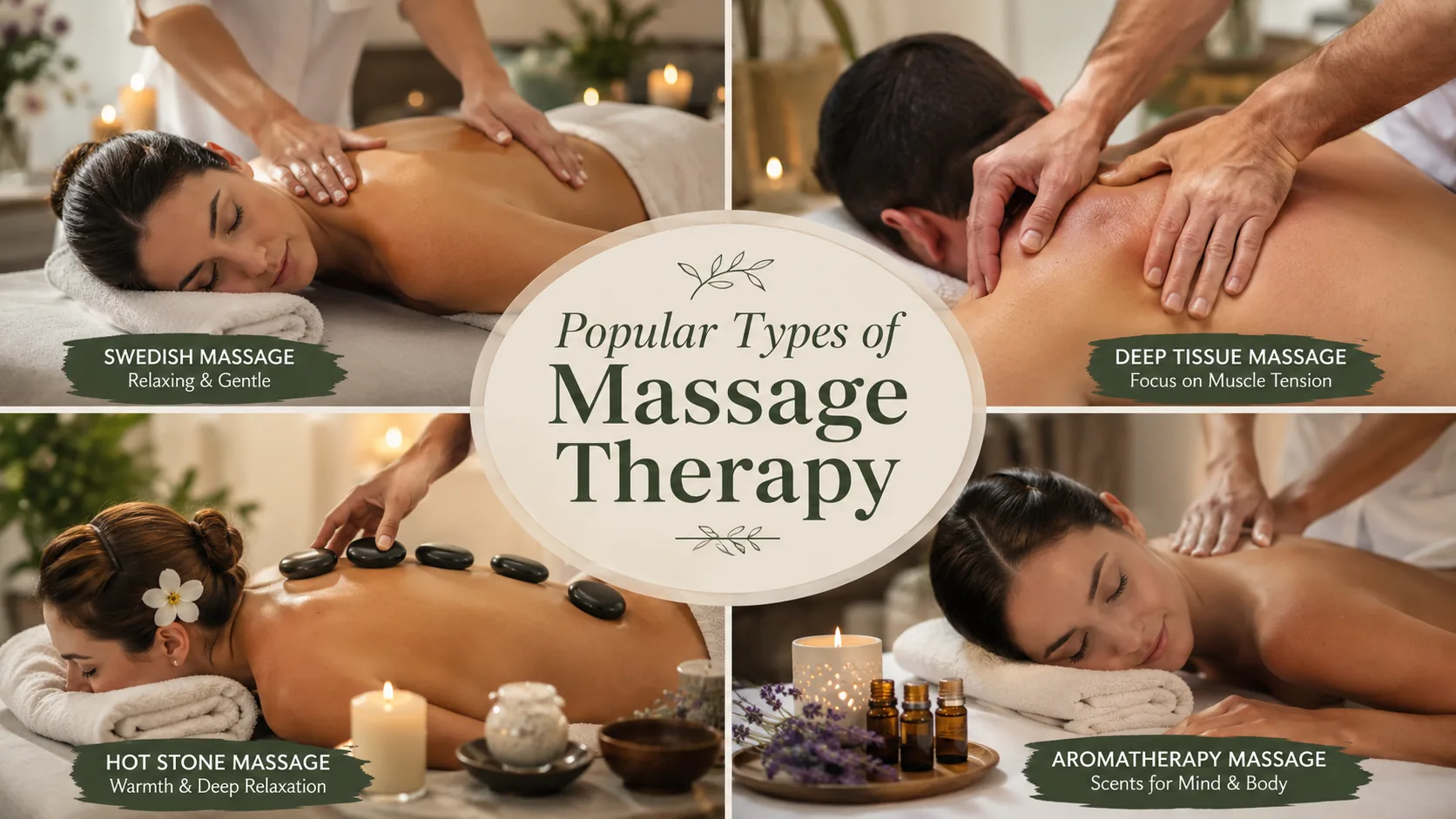
Different massage styles use different levels of pressure and movement. Understanding the main options can make it easier to choose a suitable treatment.
Swedish massage generally uses smooth, flowing movements and light-to-medium pressure. It is commonly chosen by people looking for relaxation or trying professional massage for the first time.
Deep tissue massage usually involves slower movements and firmer pressure directed towards deeper layers of muscle and connective tissue.
It may appeal to people experiencing persistent muscular tightness, although deeper pressure is not suitable for everyone. Treatment should feel controlled rather than excessively painful.
Sports massage is aimed at physically active people, although you do not need to be a professional athlete to book one.
The treatment may focus on muscle groups used during a particular sport, areas of repetitive tension or general physical recovery.
This is a popular choice for people who spend long periods working at a computer, driving or using mobile devices. The treatment generally concentrates on common areas of tension around the upper back, shoulders, neck and scalp.
Aromatherapy massage combines massage techniques with diluted aromatic oils. Anyone with allergies, sensitive skin, asthma or other relevant health concerns should discuss the oils being used before treatment begins.
During a hot stone treatment, smooth heated stones may be placed on or moved across selected areas of the body.
The heat should always be carefully controlled. Hot stone massage may not be suitable for people with certain medical conditions, reduced skin sensation or current injuries.
Pregnancy massage uses positioning and techniques adapted for pregnant clients. It should be provided by a therapist with appropriate pregnancy massage training.
Pregnant clients should tell the therapist how far along they are and discuss any medical concerns with their midwife, GP or maternity team before booking.
A professional massage therapist will normally begin with a short consultation. You may be asked about:
You should be given privacy while changing and be appropriately covered throughout the treatment. Only the area being worked on should normally be uncovered.
Always tell the therapist if the pressure is too firm, the room temperature is uncomfortable or you would like the treatment adjusted or stopped. You remain in control of the session at all times.
Massage is generally considered low-risk when it is performed appropriately by a trained practitioner. However, rare serious complications have been reported, particularly following vigorous treatment or when a client has a condition that increases their risk of injury.
Seek medical advice before booking a massage when you have concerns relating to:
Provide the therapist with accurate information about your health and medication. This allows them to decide whether the treatment needs to be adapted or whether medical approval should be obtained first.
Massage should not be used to delay medical attention for a new, severe or unexplained health problem.
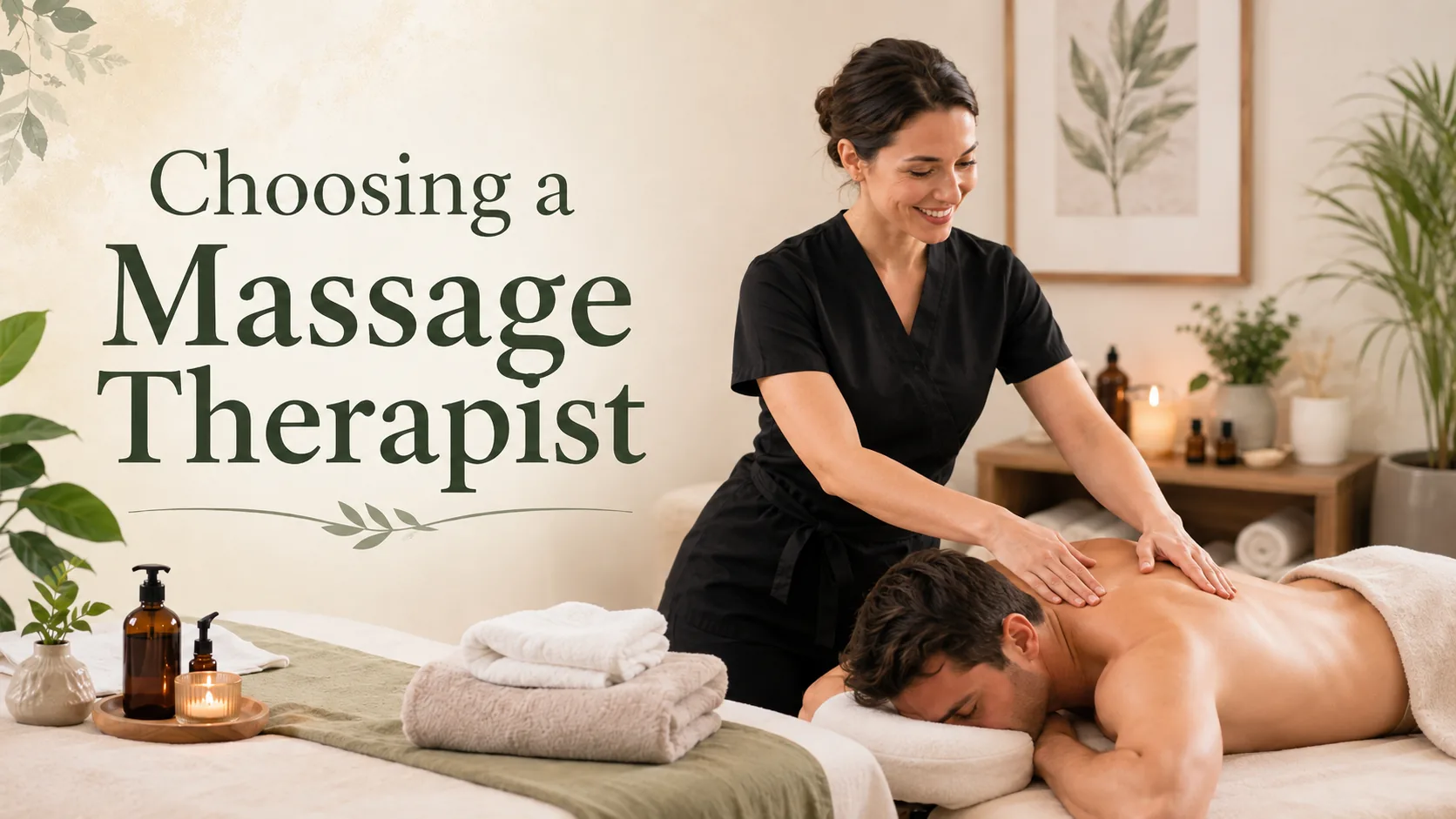
When comparing massage services, look beyond price alone. A professional therapist should be willing to explain their training, experience and treatment approach.
Before booking, consider asking:
Reviews and recommendations may also be useful, but they should be considered alongside professional qualifications, communication and hygiene standards.
Whether you are looking for a relaxing Swedish massage, sports massage, deep tissue treatment or a convenient mobile massage service, UK Classifieds can help you discover massage therapists advertising throughout the UK.
Compare local providers, read their service descriptions and contact therapists directly to discuss availability, prices and treatment options.
A carefully chosen massage may provide a relaxing break, help ease everyday muscular tension and become an enjoyable part of your wider wellbeing routine.
Important: This article provides general information only and does not offer medical advice, diagnosis or treatment. Speak to a qualified healthcare professional when you have symptoms, injuries or medical conditions that may affect whether massage is suitable for you.


 Welcome!