How to Treat Rising Damp - Fixrot.co.uk

How to Treat Rising Damp - Fixrot.co.uk

Check with seller
Management
3 years
Scotland
Dumfries and Galloway
DG109JU - Unit 3 Holm Industrial Estate
107 views
ID: 27282
Published 3 years ago by Fixrot Uk
Check with seller
In Management category
Unit 3 Holm Industrial Estate, DG109JU Moffat, Dumfries and Galloway, Scotland
Get directions →
107 item views
How to Treat Rising Damp - Fixrot.co.uk, Management Services in Moffat, Dumfries and Galloway


Rising damp is one of most talked about and controversial types of damp. Putting aside the debates for a moment, if you think you might have an issue with rising damp you are in the right place. This How To guide takes you through identifying rising damp, the causes and how to effectively deal with it. A large part of this guide is given over to correctly identifying rising damp in your home, telling it apart from much more common damp issues. We also bust some myths around rising damp and its treatment.

What is Rising Damp?

Rising damp is a relatively rare form of damp that affects the walls of buildings. It occurs when moisture from the ground travels up through the walls by capillary action. This means that ground water is effectively sucked up through tiny tubes in the bricks, like a series of straws. This water contains salts that also travel up through the wall.

Around the affected wall, you get other porous building materials such as plasterwork and the timber found in the floor boards, joists and skirtings. These materials will also absorb the ground water easily and you may find evidence of wet rot in the timber. Read our guide for help diagnosing and treating wet rot.

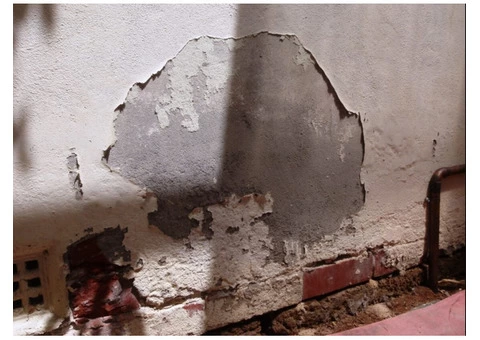
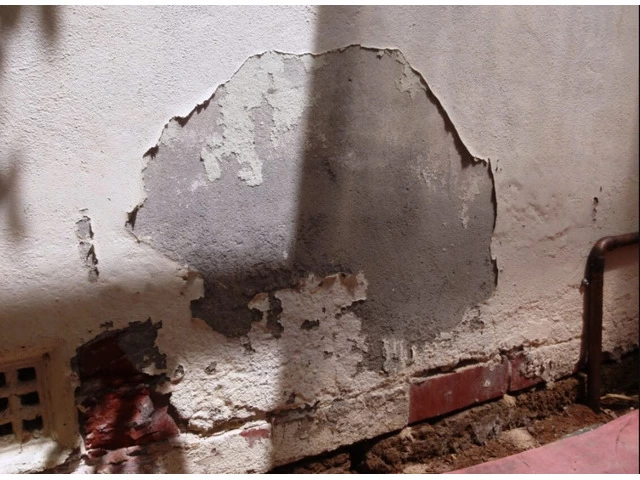
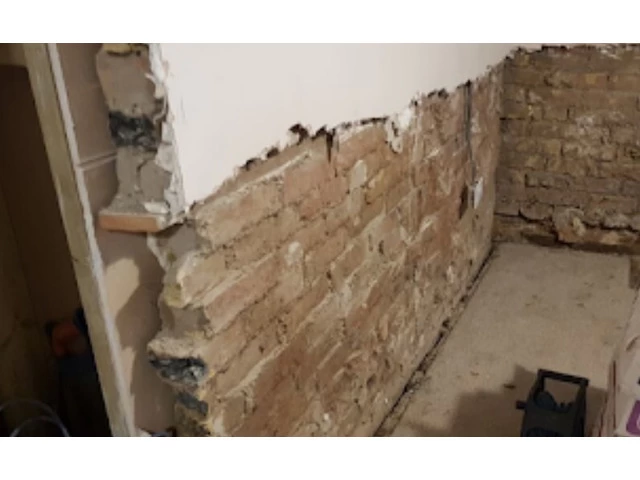
Generally rising damp is first noticed by the damage it causes to the internal walls of a building. Plaster and paint can deteriorate and any wallpaper tends to loosen. A visible stain often appears on the wall in the form of a tide mark at the point where the ground water has reached. You may also see salts blooming on the internal surface. This is something often associated with rising damp and will lead to the deboning of paints and even plaster work. Externally, mortar may crumble and white salt stains may appear on the walls. We will go into the common signs of rising damp in more detail later in the guide.

Visit Site: https://fixrot.co.uk/ Read more

Published on 08/11/2022

Attributes

Description

How to Treat Rising Damp - Fixrot.co.uk, Management Services in Moffat, Dumfries and Galloway


Rising damp is one of most talked about and controversial types of damp. Putting aside the debates for a moment, if you think you might have an issue with rising damp you are in the right place. This How To guide takes you through identifying rising damp, the causes and how to effectively deal with it. A large part of this guide is given over to correctly identifying rising damp in your home, telling it apart from much more common damp issues. We also bust some myths around rising damp and its treatment.

What is Rising Damp?

Rising damp is a relatively rare form of damp that affects the walls of buildings. It occurs when moisture from the ground travels up through the walls by capillary action. This means that ground water is effectively sucked up through tiny tubes in the bricks, like a series of straws. This water contains salts that also travel up through the wall.

Around the affected wall, you get other porous building materials such as plasterwork and the timber found in the floor boards, joists and skirtings. These materials will also absorb the ground water easily and you may find evidence of wet rot in the timber. Read our guide for help diagnosing and treating wet rot.

Generally rising damp is first noticed by the damage it causes to the internal walls of a building. Plaster and paint can deteriorate and any wallpaper tends to loosen. A visible stain often appears on the wall in the form of a tide mark at the point where the ground water has reached. You may also see salts blooming on the internal surface. This is something often associated with rising damp and will lead to the deboning of paints and even plaster work. Externally, mortar may crumble and white salt stains may appear on the walls. We will go into the common signs of rising damp in more detail later in the guide.

Visit Site: https://fixrot.co.uk/

Meet the seller

Fixrot Uk
Unit 3 Holm Industrial Estate, DG109JU, Moffat
8 active listings
Company
Last online 3 years ago
Registered for 4 years

Comments (0)

No comments has been added yet
Call Sms Send message
Want to be part of our UK community? Create a FREE account